Vietnamese Peanut Sauce
This post contains links to affiliate websites, such as Amazon, and we receive an affiliate commission for any purchases made by you using these links. We appreciate your support!
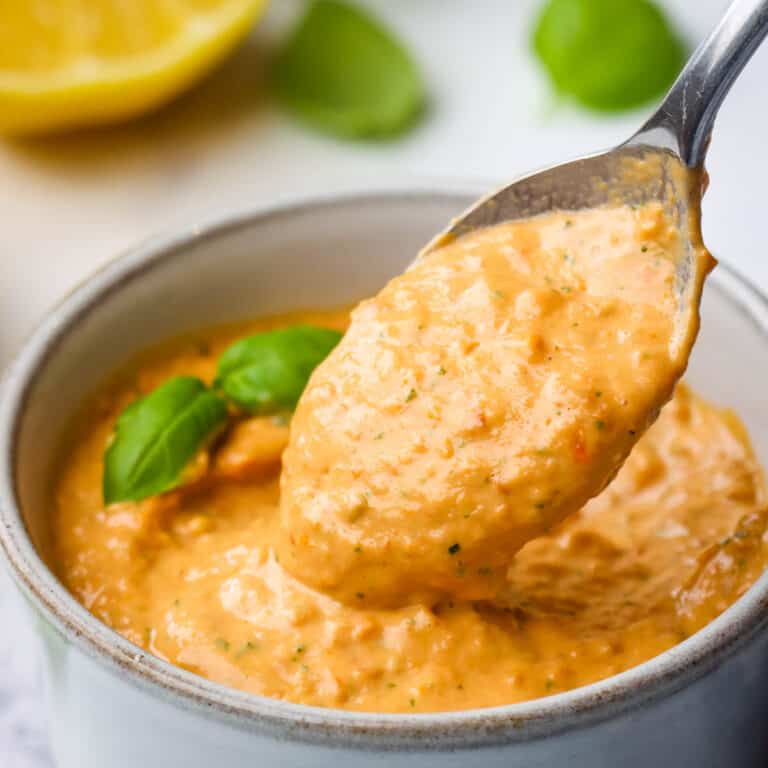
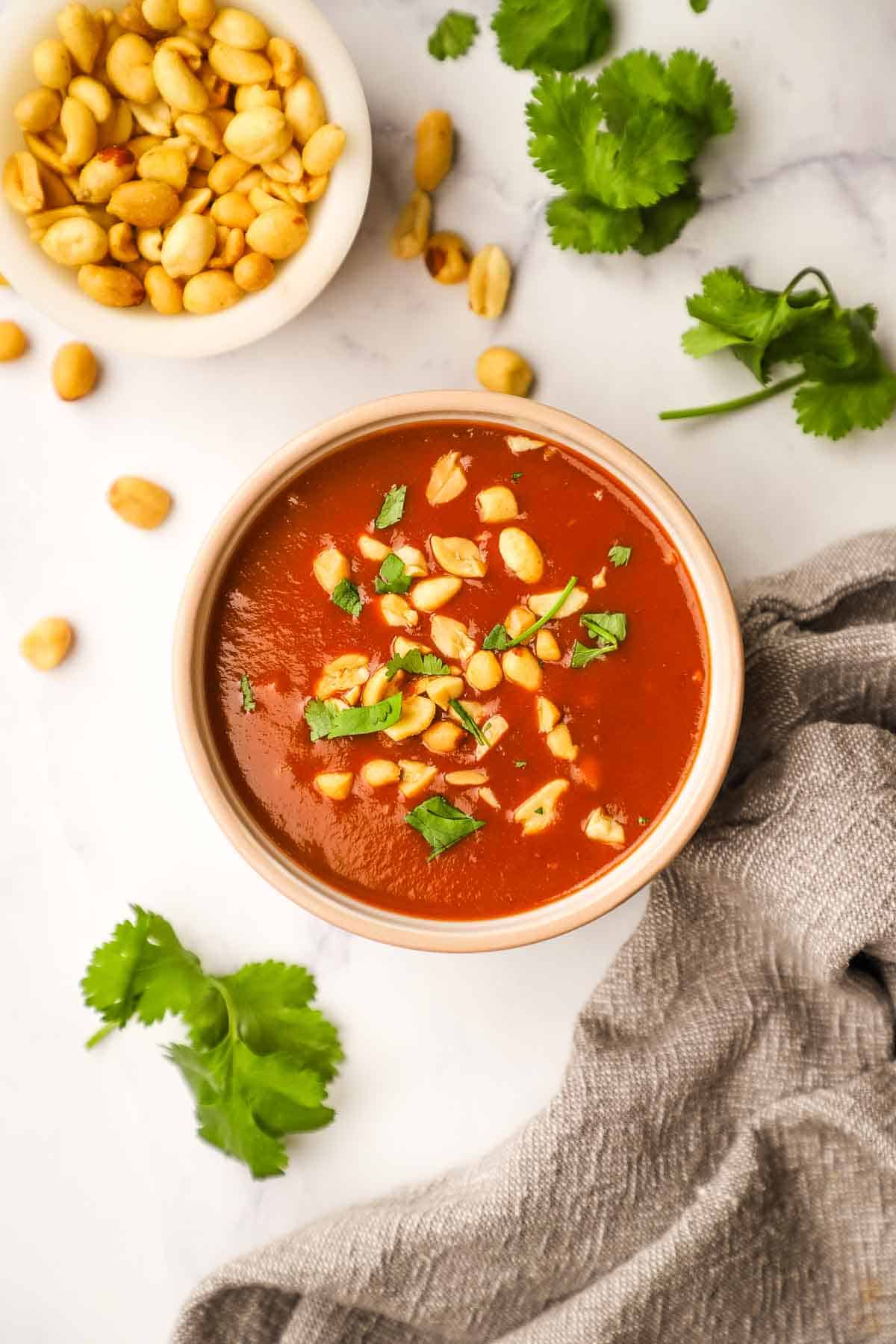
If you’re used to pale and bland peanut sauce, this bold, punchy, mildly spicy Vietnamese peanut sauce will take your spring rolls and dumplings to the next level!
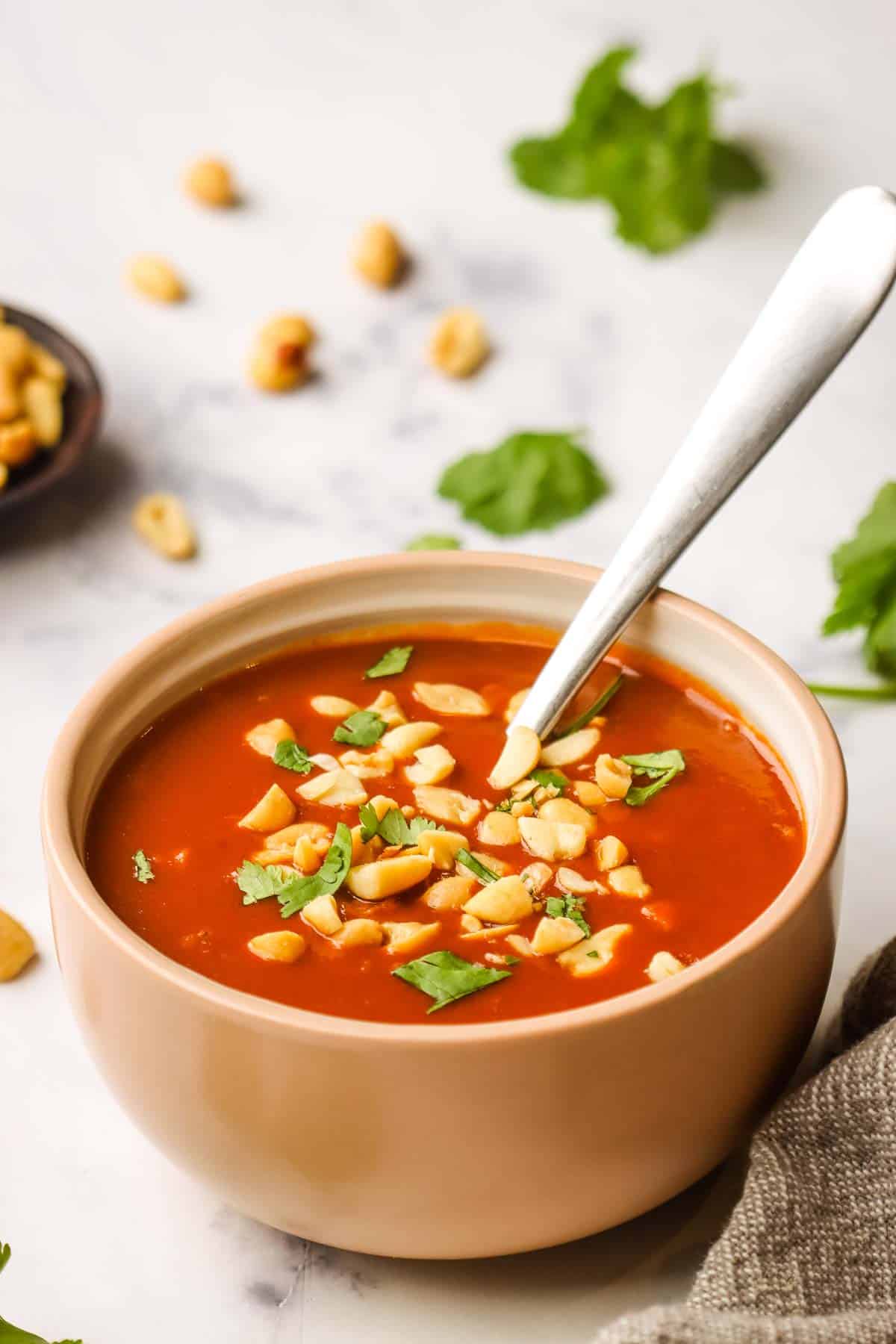
A popular sidekick to summer rolls, noodles, and even dumplings – this naturally vegan peanut sauce is my favorite dipping sauce both in terms of ease, and flavors!
I’ve had many peanut sauces in my life, but this one, with it’s bold flavors and mild spicy kick, is way above them all for me.
If you are one of those people who NEED a dipping sauce to accompany your food, I’ve got your back.
Actually, not just for dipping, this Vietnamese peanut sauce is pretty versatile. It’d pair well with some tofu wraps, use it in this chicken satay rice bowl, or it can be thinned out as a dressing for your favorite salad. But, mostly, it’s famous as spring roll or Vietnamese chicken skewers dipping sauce.
Vietnamese Peanut Sauce – The Origin
When it comes to flavorful and creamy sauces, you can’t beat a good Vietnamese peanut dipping sauce. In Vietnamese, it is called tuong dau phong or tương đậu phộng and is served with fresh spring rolls.
It only uses a handful of ingredients, and the spice level, and consistency is highly variable. Everyone adds their own twist to the sauce – and this recipe is my personal favorite of the peanut sauces I’ve had!
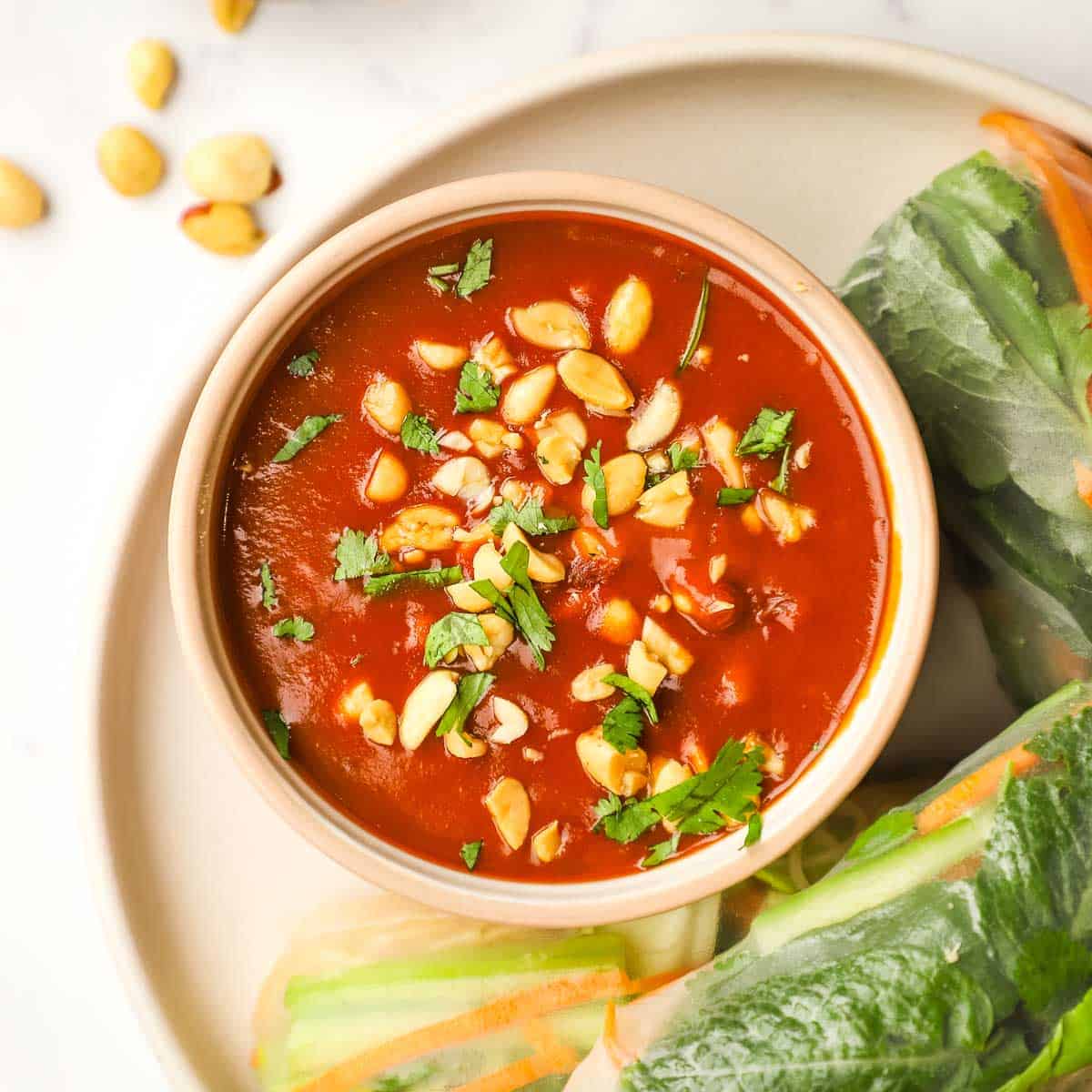
Peanut butter and hoisin sauce are the two traditional and fundamental ingredients.
This Vietnamese peanut sauce is a crossroads of cultural influences from three diverse cuisines. Chinese for hoisin sauce, American for peanut butter, and Vietnamese for the blend of flavors and textures, as Vietnamese cuisine is characterized by the harmony of its dishes.
Most peanut sauces aren’t spicy but I love to add some chili paste for a little kick. The amount used in this recipe gives a mild to medium level of heat, which you can adjust to taste!
What Makes Vietnamese Peanut Sauce Different?
Peanuts and peanut sauce are used in a variety of recipes throughout Southeast Asia. When compared to Thai or Chinese peanut sauces, Vietnamese peanut sauce is slightly sweeter and more liquid.
Although peanut sauce is most generally associated with Thai and Vietnamese cuisines, it originally originated in Indonesia. For example, it’s used in satay, a dish of marinated and grilled meats served with peanut sauce.
Now, let’s look at the ingredients for this Vietnamese peanut sauce recipe.
Ingredient Notes
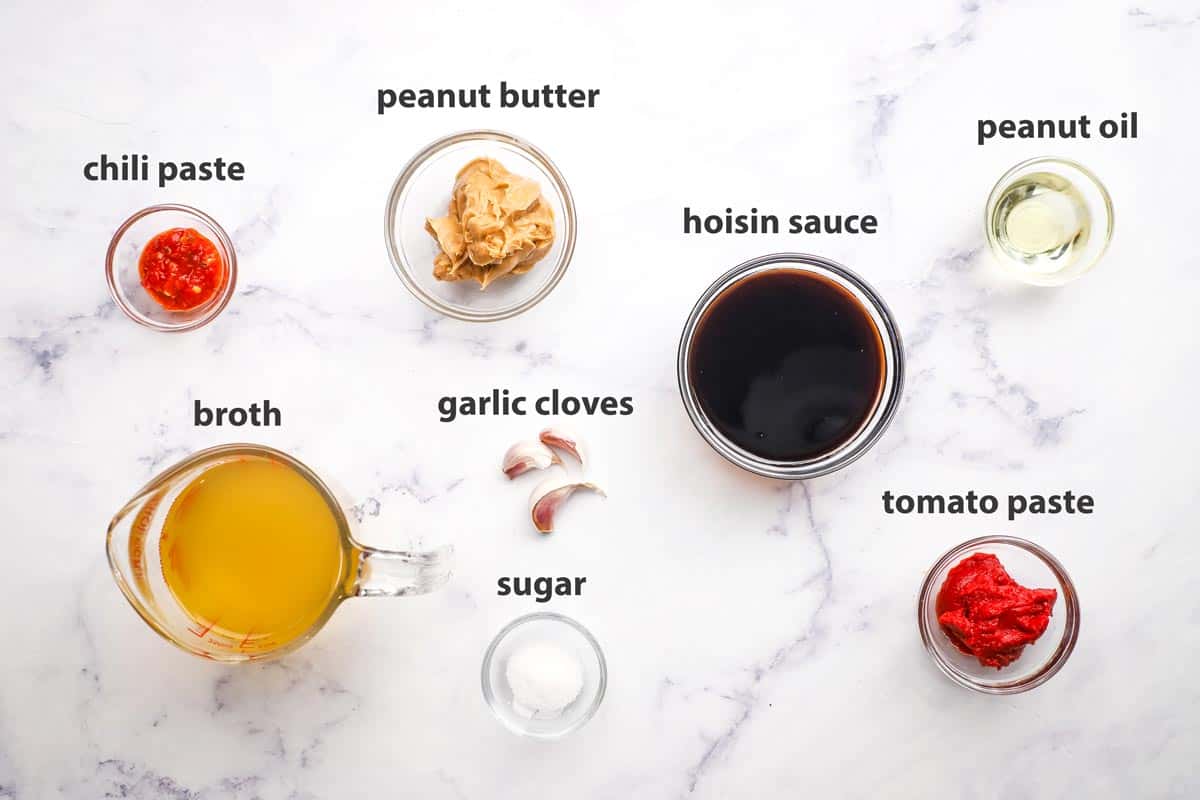
Peanut oil
You are going to need a neutral oil for this, and my choice is peanut oil. It has a high smoke point and a mild or neutral flavor so it would perfectly complement the rest of the flavors in this Vietnamese peanut sauce.
But, if you don’t have peanut oil, you can use any other neutral oil such as canola, vegetable or grape seed oil.
Peanut Butter
Smooth peanut butter works best for this recipe. But, you can also use crunchy peanut butter for some added texture.
Natural peanut butter works too, although you may want to adjust sugar and liquid quantities, since natural peanut butter is unsweetened and has a looser consistency.
Hoisin Sauce
Hoisin sauce is a key ingredient in Vietnamese-style peanut sauce (although its origin is Cantonese). This is the traditional sauce used in Vietnam to make peanut sauce for summer rolls. There is no real substitute for hoisin sauce, it is what gives the rich, umami flavor to the peanut sauce.
Want to SAVE this recipe?
Tomato Paste
Tomato paste perfectly complements the hoisin sauce and adds even more of an umami punch to this peanut sauce.
Chili Paste
I love using Sambal Oelek chili paste for this sauce. I find it in the Asian aisle at my grocery store. If you can’t get your hands on it, you can also use Sriracha to give the Vietnamese peanut sauce a spicy hit.
The small amount of chili paste in this recipe gives the sauce a mild to medium level of heat and can be adjusted to taste.
Broth
I use vegetable broth to thin out the sauce and add some depth and flavor while keeping it vegan. Chicken broth also works great, and you can also use water if you don’t have any broth on hand.
Don’t forget to watch the video!
Most of my recipes include a short step-by-step video tutorial. Just scroll down to the recipe card, or use the “Jump to Video” button at the top of the post!
Step-by-Step Instructions
- In a medium saucepan, heat the peanut oil and add the garlic, chili paste, and tomato paste.
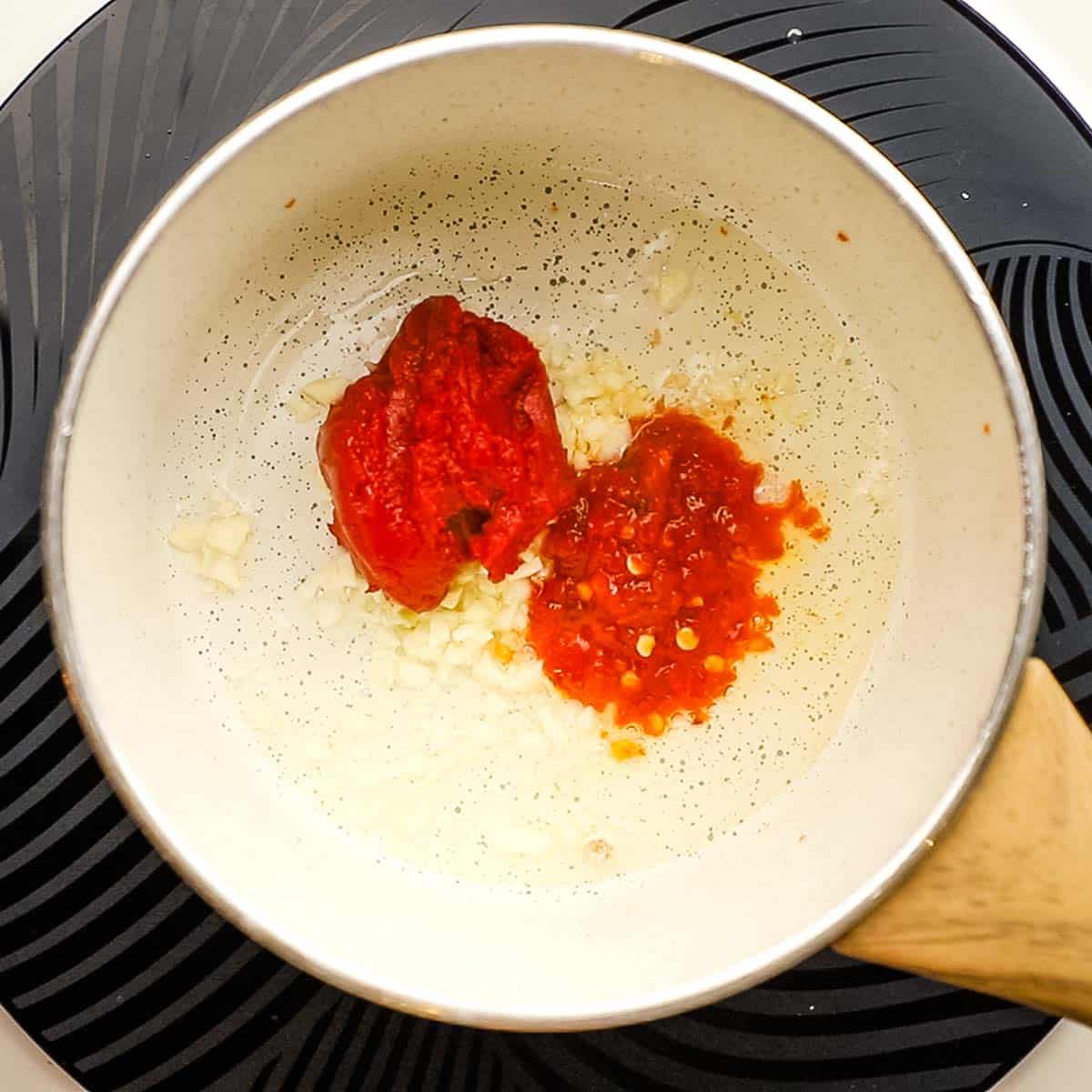
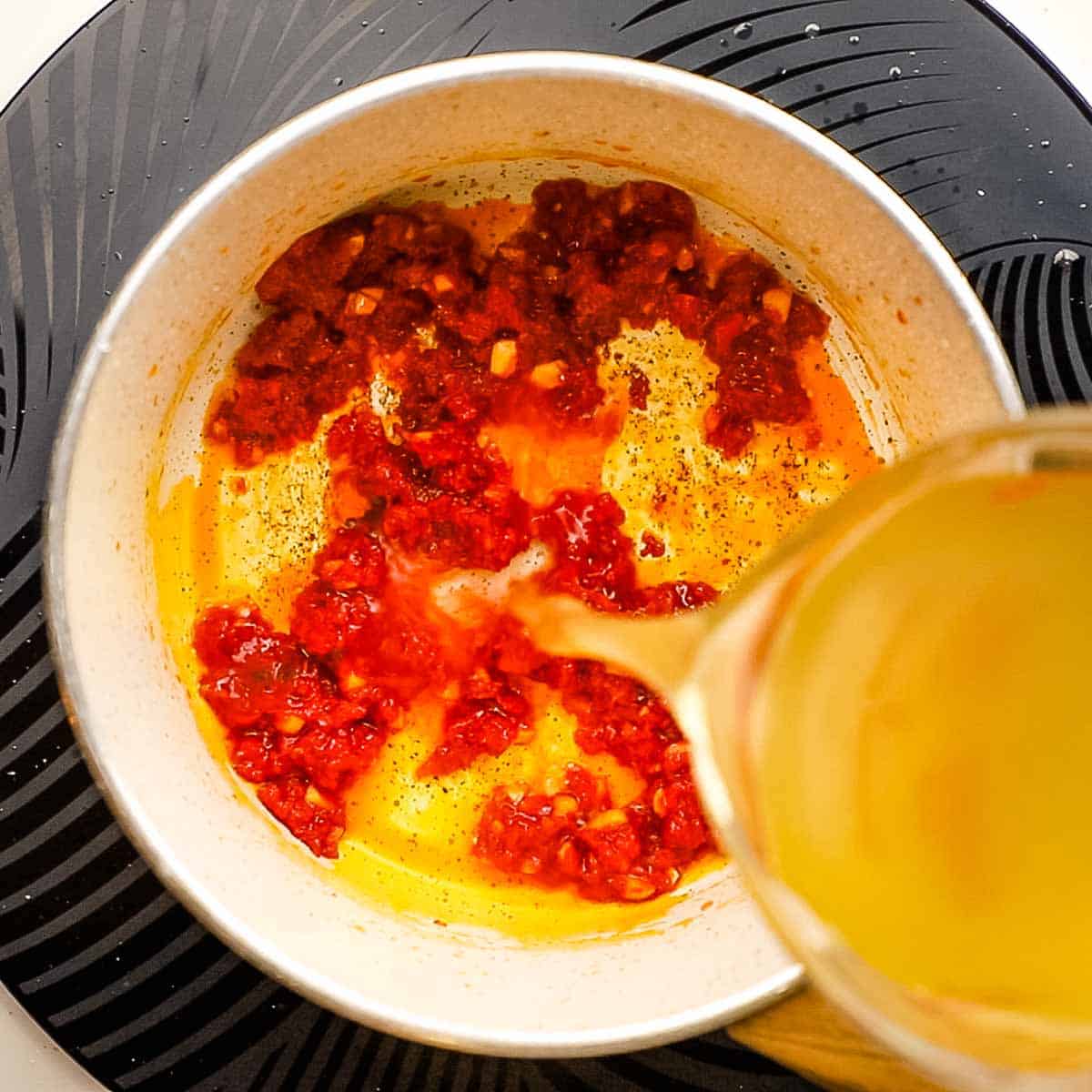
2. After sautéing it for a couple of minutes, add vegetable broth to the pan.
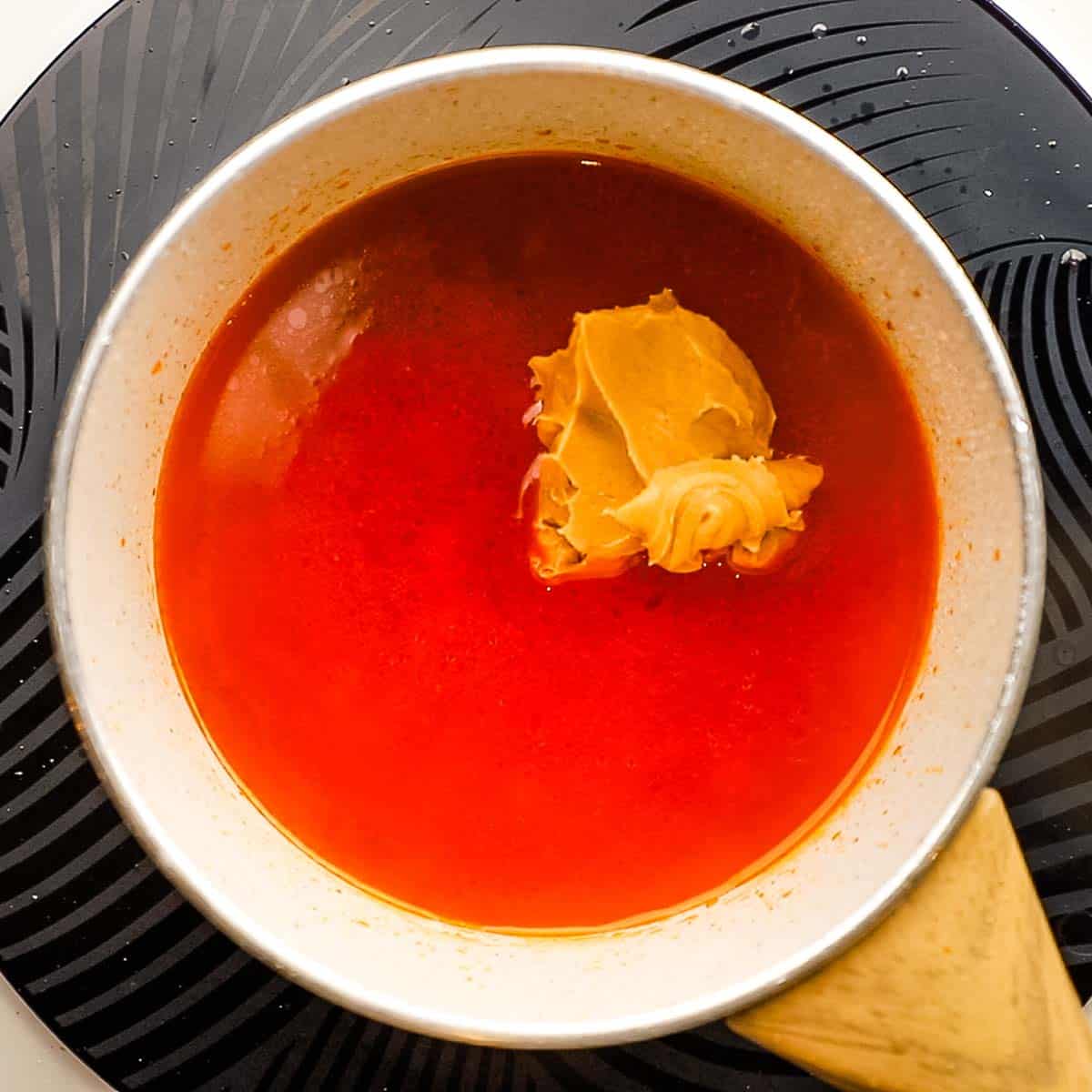
3. Now add the peanut butter, sugar, hoisin sauce, and whisk over low heat until it is well combined.
4. Let the sauce simmer a couple of minutes until it thickens up to your desired consistency.
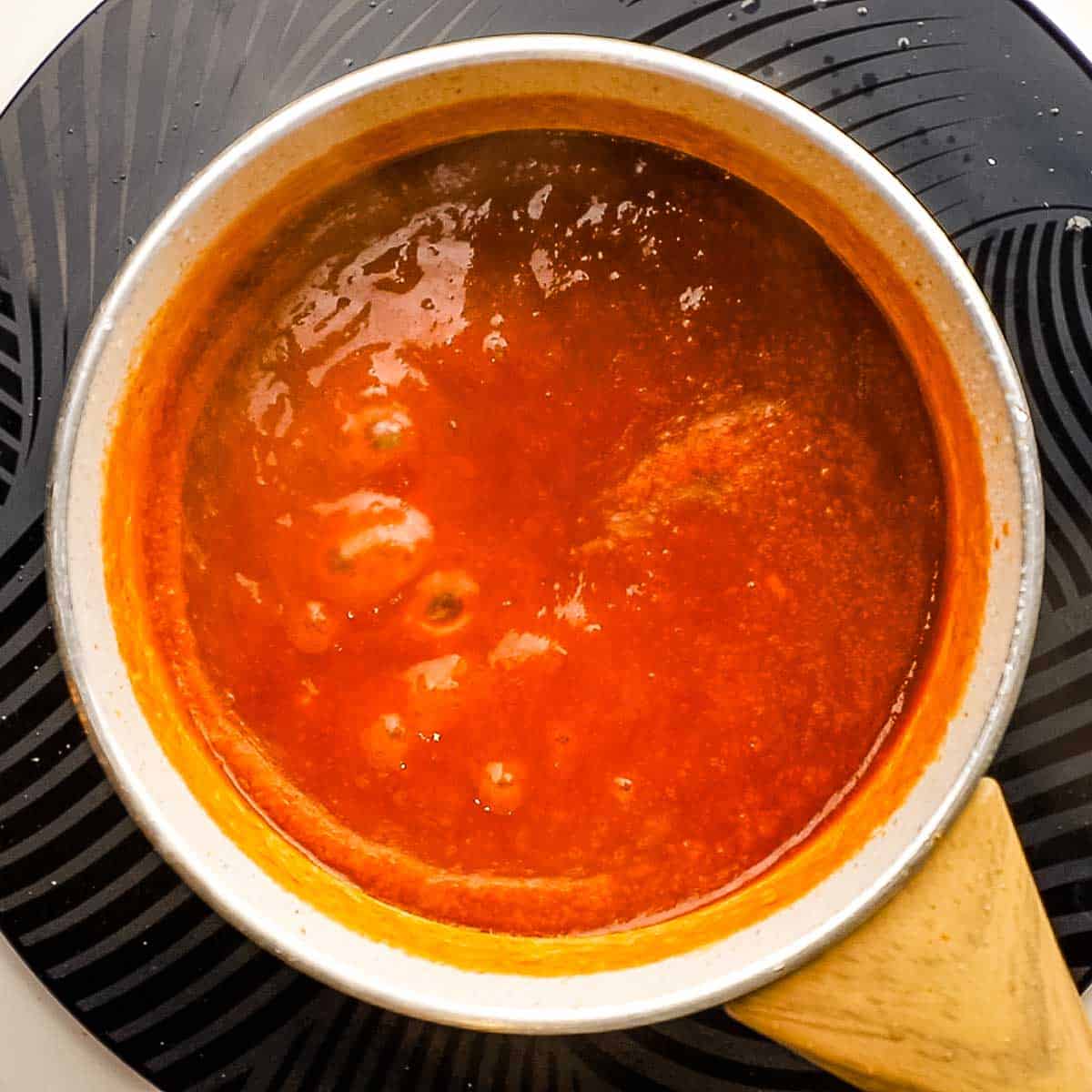
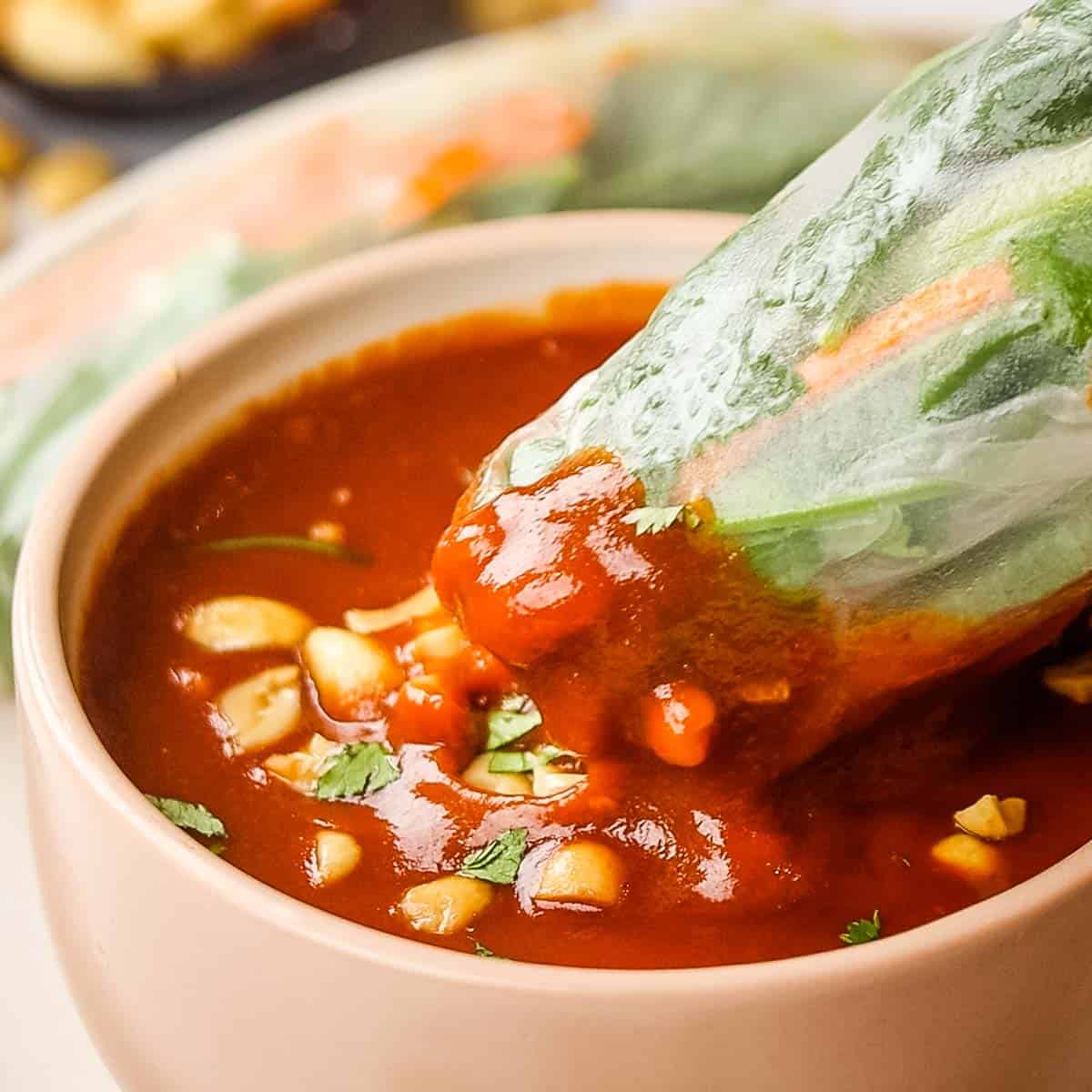
Cool and serve with fresh tofu spring rolls, sesame noodles, dumplings, or whatever you like!
Storage Instructions
To Refrigerate: You can store this Vietnamese peanut sauce in the fridge for about a week.
To Freeze: Freeze peanut sauce in an airtight container or freezer bag. To freeze smaller portions, freeze sauce for two hours in an ice cube tray. Put the ice cubes in an airtight container or freezer bag and transfer to the freezer. It can be stored in the freezer for up to 6 months.
Tell me what you think!
If you try this recipe, l’d be so grateful if you’d leave a comment and a rating in the recipe card. I love to hear your feedback, and your tips can help other readers too!
Vietnamese Peanut Sauce
Ingredients
- 1 tablespoon peanut oil
- 3 cloves garlic minced
- 2 teaspoons chili paste such as sambal oelek*
- 1 tablespoon tomato paste
- 1 cup vegetable broth
- 1/2 teaspoon sugar
- 1/4 cup smooth peanut butter
- 1/2 cup hoisin sauce
- 2 tablespoons peanuts chopped
Instructions
- In a small saucepan, heat the peanut oil over medium heat. Add the garlic, chili paste, and tomato paste and cook, stirring frequently for two minutes.
- Whisk in the vegetable broth. Add the sugar, peanut butter, and hoisin sauce and whisk until smooth. Lower the heat and simmer about 5 minutes until thickened.